

insulated glass fabricators
Understanding Thread Go/No-Go Gauges An Essential Tool for Quality Control In the fields of manufacturing and engineering, precise measurement is crucial for ensuring that components fit together properly and function as intended. One of the key tools in this realm is the thread go/no-go gauge, a simple yet highly effective device used to inspect threaded parts. This article will delve into the purpose, design, and importance of these gauges in maintaining quality control. What is a Thread Go/No-Go Gauge? A thread go/no-go gauge is a measuring tool designed to verify the proper dimensions and tolerances of threaded features. It consists of two parts a go gauge and a no-go gauge. The go gauge is used to check the maximum allowable size of the thread, while the no-go gauge checks the minimum allowable size. Together, they help ensure that the threaded part meets the specified standards and can achieve a proper fit with corresponding components. Purpose and Functionality The primary purpose of a go/no-go gauge is to facilitate a quick and reliable inspection process. By using these gauges, manufacturers can efficiently determine whether a threaded part is acceptable for use. During production, threads may be subjected to various factors that can lead to errors—such as wear, tool damage, or improper machining. The go/no-go gauge serves as a definitive testing method, enabling engineers and quality control inspectors to identify parts that fall outside permissible limits. When a part passes the go gauge, it indicates that the thread is within the maximum size limit, meaning it can be assembled with the mating part. Conversely, if a part fails the no-go gauge, it indicates that the thread is larger than the minimum size limit, which could lead to improper fitting or function. Design and Features thread go nogo gauge The design of thread go/no-go gauges can vary depending on the specific application, including the type of thread (e.g., metric or imperial) and the size range being measured. These gauges are often made from high-quality materials, such as hardened steel, to withstand wear and maintain precise dimensions over time. Many modern gauges also incorporate ergonomic features, making them easier to handle and use in production environments. Additionally, some gauges can be designed with a built-in indicator to provide further feedback to the operator, ensuring that the measuring process is both efficient and accurate. Importance in Quality Control Implementing go/no-go gauges in manufacturing processes is critical for quality control. Inaccurate threads can lead to assembly failures, decreased product performance, and ultimately dissatisfied customers. By using these gauges, manufacturers can detect issues before parts are assembled into final products, reducing the risk of costly recalls or repairs. Moreover, go/no-go gauges can help ensure compliance with industry standards and regulations. Many sectors, such as aerospace and automotive, require exact specifications to ensure safety and reliability. Regular use of these gauges can assist companies in maintaining certification and demonstrating their commitment to quality. Conclusion Thread go/no-go gauges are indispensable tools in the manufacturing and engineering sectors. Their simple design and effective functionality provide a reliable method for ensuring that threaded parts meet critical specifications. By integrating these gauges into quality control procedures, manufacturers can enhance product reliability, improve operational efficiency, and ultimately deliver superior products to their customers. As industries continue to evolve, the importance of precise measurements and quality assurance will remain paramount, making thread go/no-go gauges relevant for years to come.
about
insulated glass fabricators
Understanding Rebar Chairs for Concrete Mesh Support In the realm of construction and civil engineering, the integrity and durability of concrete structures are paramount. One essential element in ensuring the strength and longevity of concrete is the use of reinforcement, primarily done through the incorporation of steel bars, commonly known as rebar. However, to maximize the effectiveness of rebar, it is crucial to maintain its position within the concrete mix. This is where rebar chairs come into play as a vital component for concrete mesh support. Rebar chairs are specifically designed supports that elevate rebar from the ground or formwork, ensuring it is embedded at the correct depth within the concrete. This is crucial for several reasons. Firstly, placing the rebar at the correct height ensures that it is fully surrounded by concrete, maximizing its tensile strength. Any deviation from this can result in a reduction of the structural integrity of the concrete, leading to potential failures or weaknesses in the finished structure. Understanding Rebar Chairs for Concrete Mesh Support The advantages of using rebar chairs extend beyond just structural integrity. They also facilitate the efficient and fast construction of concrete structures. By providing a reliable method to hold rebar in place, construction workers can streamline the rebar installation process, reducing labor time and minimizing the potential for errors. This efficiency becomes increasingly critical in large projects where time and cost management are crucial for success. rebar chair for concrete mesh support Another critical aspect of rebar chairs is their role in improving safety on the job site. Properly securing rebar in place significantly reduces the chances of accidents, such as injuries from rebar shifting or falling during the pouring of concrete. Construction sites are inherently hazardous, and any measures that can enhance safety are always welcomed. The installation of rebar chairs is straightforward, yet it requires attention to detail. Workers must ensure that the rebar is positioned correctly and is adequately supported by the chairs. Additionally, depending on the design and requirements of the specific project, multiple rows of rebar may be utilized, necessitating the use of different types of chairs to maintain proper spacing and support. For those looking to purchase rebar chairs for their construction projects, several factors should be considered. It’s essential to select chairs that are compatible with the diameter of the rebar being used and capable of bearing the weight of the concrete. The choice between plastic and steel configurations will also depend on the specific conditions of the project, such as exposure to moisture and the overall environmental conditions. In conclusion, rebar chairs are an integral component of modern concrete construction. They play a crucial role in ensuring that rebar is adequately supported and positioned for maximum effectiveness. As construction methods evolve and the demand for durable and safe structures increases, the importance of reliable supports like rebar chairs cannot be overstated. Ultimately, investing in quality rebar chairs is a fundamental step towards achieving successful concrete reinforcement and enhancing the safety and durability of construction projects.
-

High quality industrial productsagement

High quality industrial products
View Details -

Meet the diverse needs of customers

Meet the diverse needs of customers
View Details -

Strict quality control

Strict quality control
View Details -

Top raw materials

Top raw materials
View Details -

Trusted supplier

Trusted supplier
View Details
Our application


news and information
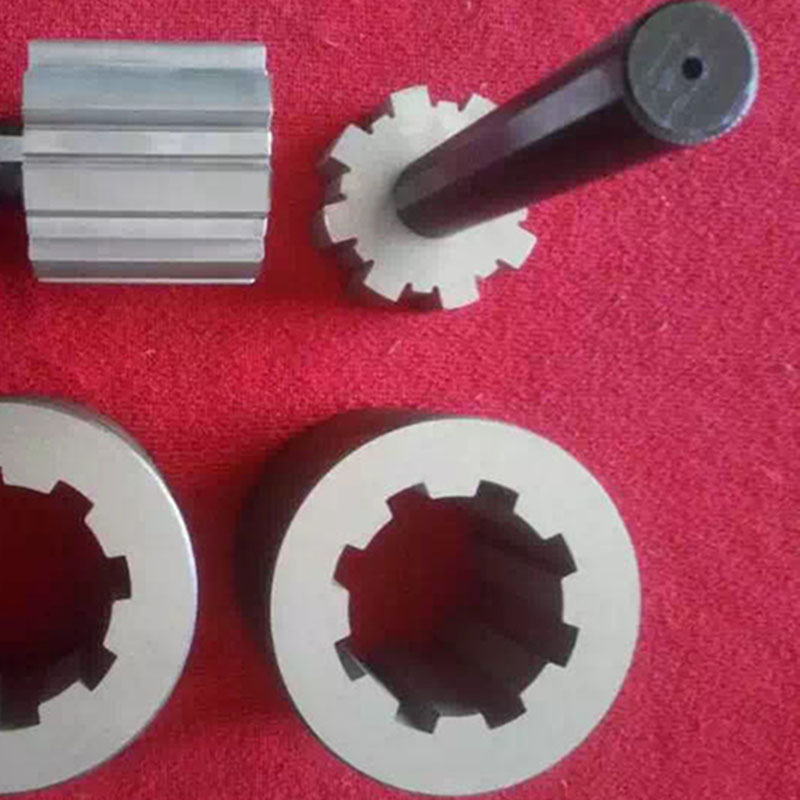
Valves in Water Treatment Plants
In water treatment plants, the seamless operation and optimal performance rely heavily on the functi
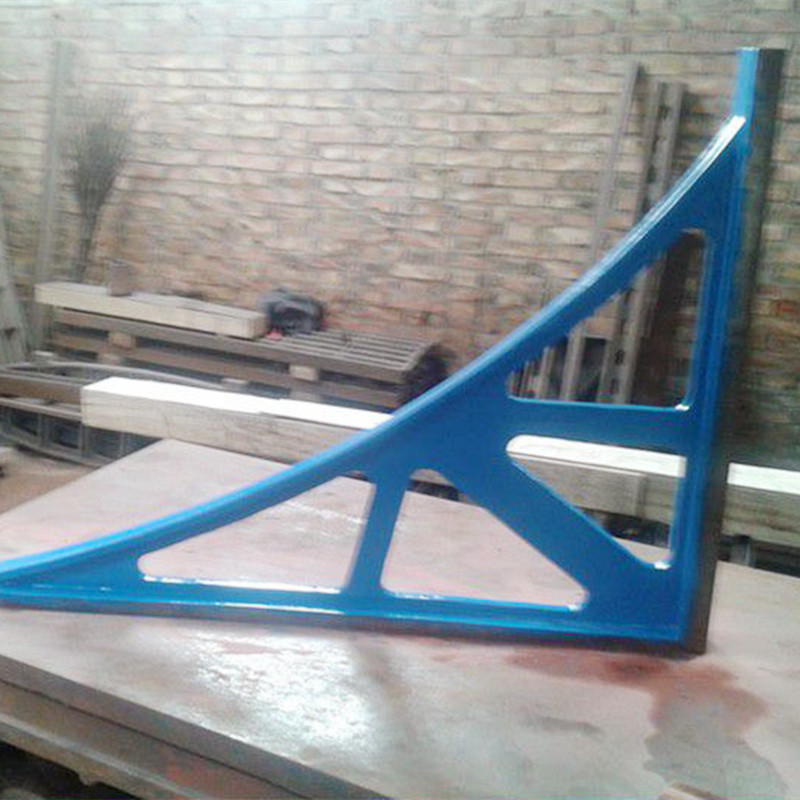
welding table price
Understanding Welding Table Prices A Comprehensive Guide Welding is a vital process in various indus
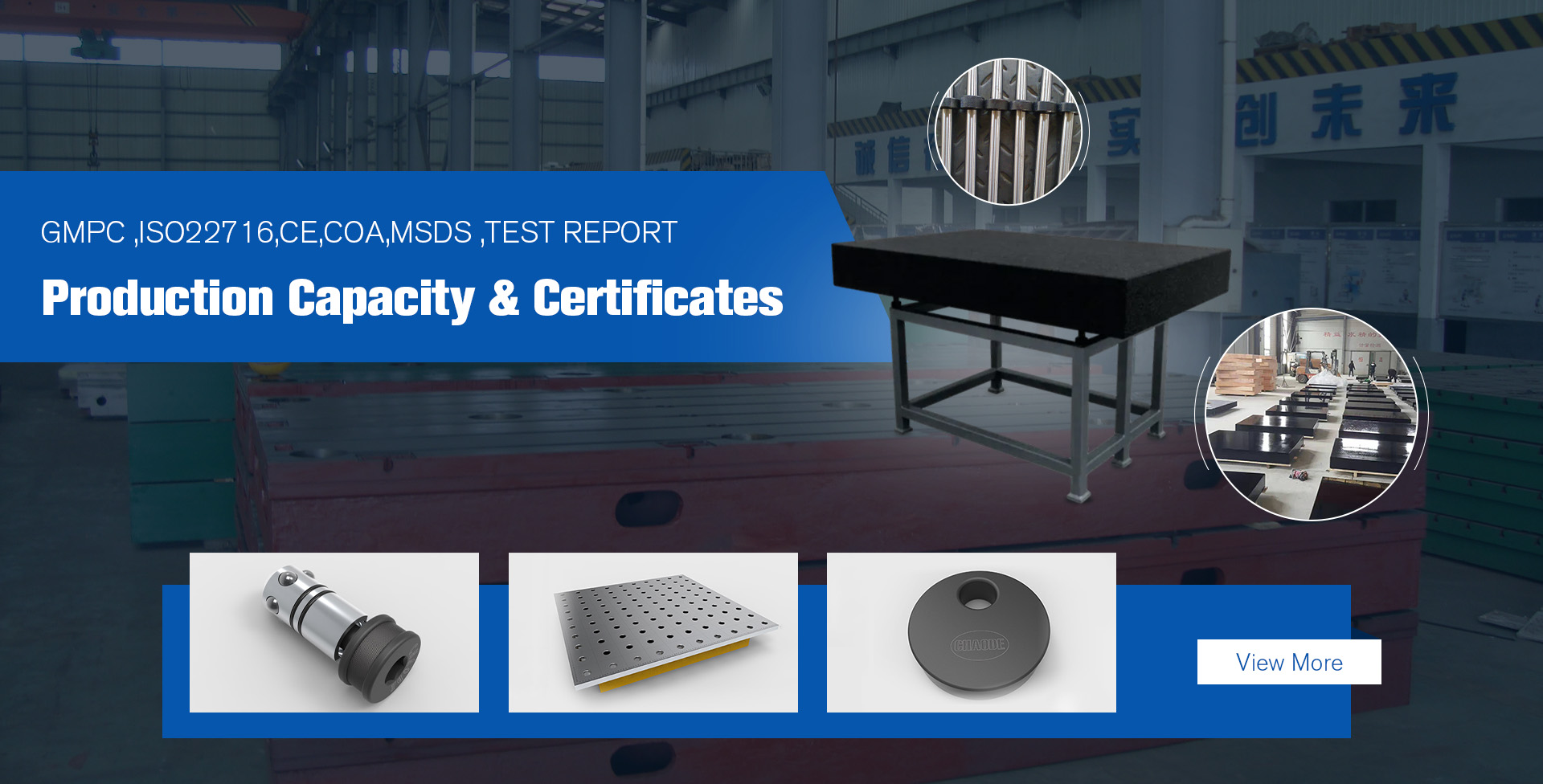
valve china
Valve Corporation, a name synonymous with gaming excellence and innovation, has strategically establ
 English